
🌿 The Holistic Approach: Treating Dizziness and Vertigo with Traditional Chinese Medicine (TCM)
- Nachaclinic TCM
- Nov 13, 2025
- 4 min read

Dizziness (眩晕, Xuan Yun) and vertigo are common and often debilitating conditions that are frequently managed in Traditional Chinese Medicine (TCM) practice. Unlike the Western medical approach that often focuses on anatomical structures like the inner ear or the vestibular system, TCM views dizziness as a manifestation of a deeper imbalance within the body's fundamental systems—primarily the organs and the flow of vital energy (Qi) and Blood.
In TCM theory, the root causes of Xuan Yun are intimately linked to the dysfunction of the Liver, Spleen, and Kidney organs. The core principle of TCM treatment is Syndrome Differentiation (辨证论治, Bian Zheng Lun Zhi), which means the treatment plan is entirely individualized based on a thorough assessment of the patient's unique pattern of imbalance.

The TCM View: Imbalance is the Root
According to ancient texts, dizziness is a disorder of the "Clear Yang" failing to ascend to nourish the head and sense organs, or being obstructed by pathological factors. TCM diagnoses typically categorize the condition into two broad groups:
Deficiency Patterns:
Deficiency of Qi and Blood: Often seen in chronic illness or severe fatigue. Symptoms include mild, constant dizziness, pallor, and general weakness. The head is not adequately nourished.
Kidney Yin Deficiency: Associated with aging and chronic depletion. Symptoms include ringing in the ears (tinnitus), lower back and knee soreness, and mild but persistent vertigo. The Kidney fails to anchor the Liver Yang.
Excess Patterns:
Hyperactivity of Liver Yang: Often triggered by stress, anger, or high blood pressure. Symptoms are typically more severe, including throbbing headaches, flushed face, irritability, and sudden, violent bouts of vertigo. The Liver's energy rises excessively to the head.
Phlegm and Dampness Obstruction: Resulting from poor digestion (Spleen dysfunction) or improper diet. Symptoms include a heavy, foggy feeling in the head, nausea, vomiting, and chest oppression. Phlegm obstructs the clear Qi from rising.
Core Treatment Modalities
TCM employs a combination of therapies to restore internal harmony and resolve the root causes of dizziness:
1. Acupuncture (针灸, Zhen Jiu)
Acupuncture is highly effective in regulating the body’s energy dynamics. Specific acupoints are stimulated to:
Subdue Liver Yang: Points on the hands and feet are used to draw the excess energy down from the head, such as LV 3 (Tai Chong) and GB 20 (Feng Chi).
Resolve Phlegm and Dampness: Points on the abdomen and legs, such as ST 40 (Feng Long) and SP 9 (Yin Ling Quan), are utilized to clear accumulated fluids and strengthen the digestive system (Spleen).
Tonify Qi and Blood: Points like ST 36 (Zu San Li) are used to build up the body’s fundamental reserves, ensuring the brain is well-nourished.
Calm the Spirit: Points on the head, such as DU 20 (Bai Hui), are often used to ground the patient and reduce the spinning sensation.
2. Chinese Herbal Medicine (中药, Zhong Yao)
Herbal formulas are the cornerstone of TCM treatment, providing a powerful and tailored biochemical approach. Formulas are customized to address the exact pattern identified:
For Liver Yang Rising, formulas containing herbs like Tian Ma (Gastrodia tuber) are used to calm the internal wind and extinguish the fire.
For Phlegm-Dampness, formulas such as Ban Xia Bai Zhu Tian Ma Tang are prescribed to dry dampness and resolve phlegm, thereby clearing the obstruction in the head.
For Kidney Yin Deficiency, nourishing formulas like Liu Wei Di Huang Wan are used to replenish the fundamental essence (Jing) of the body.
3. Adjunctive Therapies and Lifestyle
TCM recognizes that lifestyle is a key component of balance. Treatment plans often include:
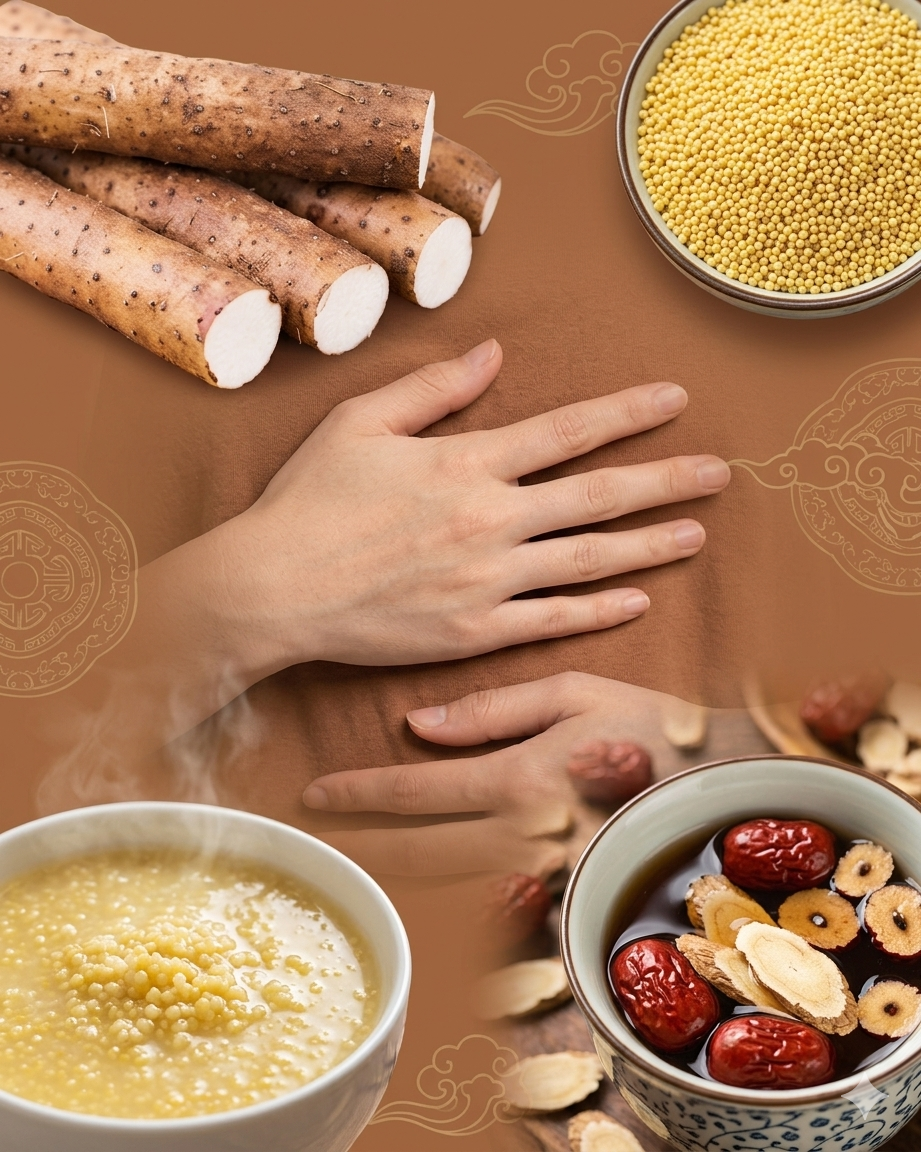
Dietary Therapy: Advice to avoid foods that generate 'dampness' or 'phlegm,' such as excessive dairy, sugar, and cold/greasy foods, while encouraging nourishing, easy-to-digest meals.
Stress Management: Techniques like Tai Chi, Qi Gong, and mindful breathing are recommended to soothe the Liver and prevent the erratic rising of Yang energy.
Rest and Sleep: Emphasis is placed on maintaining a regular sleep schedule, as deep rest allows the Liver Blood to be regenerated, which is crucial for managing vertigo.
TCM offers a holistic, root-cause resolution for dizziness and vertigo. By precisely diagnosing the underlying deficiency or excess pattern—whether it is an accumulation of Phlegm, a depletion of Kidney Essence, or the hyperactivity of Liver Yang—the practitioner utilizes customized acupuncture and herbal prescriptions to restore the body's internal equilibrium. This systematic approach aims not just to suppress the symptom, but to achieve sustained, long-term health and stability, freeing the patient from the disruption of Xuan Yun.
Ready to find a lasting solution for your dizziness or vertigo?
Consult our certified experts at Natcha Clinic to receive a personalized TCM diagnosis and treatment plan tailored to restore your body’s balance and well-being. Book your appointment today!
📍Location: Nacha Clinic 227 Sukhumvit 77 (Soi On Nut) Phra Khanong Nuea, Watthana Bangkok 10110
🕒Hours: Open 10:00-20:00 Tuesday-Sunday: By appointment only
📱Contact: Tel/Whatsapp: +66 85 593 6654
💬Line: @nachaclinic
Email: nachaclinic@gmail.com
Directions:
🚈A 5-minute walk from BTS On Nut Station (Exit 1) Motorcycle taxi available from the station
🚗 Convenient parking available at Big-C Onnut or Onnut Market


Comments